
Book tours, find deals, and explore Phuket – all in one place.


Inside the app, you will find a promo code for a discount on your first tour!
Tired of grey skies and freezing commutes? Every winter, thousands of snowbirds and digital nomads swap the cold for warm sand and swim-ready seas by wintering in Phuket. From November to April the island turns on its best weather, and a long stay here is easier and cheaper than most people expect.
In this long-stay guide to Phuket we cover everything you need to know: the best months, visa options, where to live, what it costs, and how to make the most of a whole season on the island.
Why Winter in Phuket?
The reason is simple: while the northern hemisphere shivers, Phuket enjoys its dry season. From November to April you get sunny days, calm seas and low humidity, which is why this is peak season on the island.
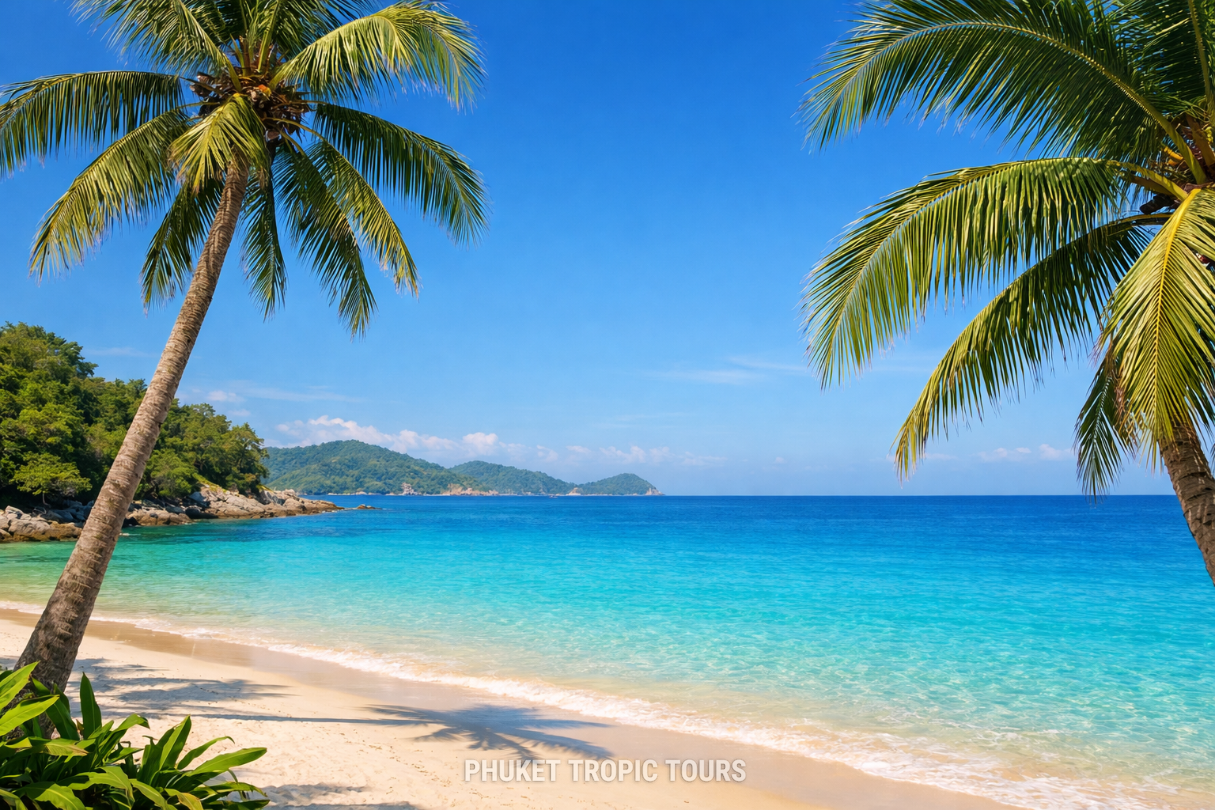
For snowbirds it means months of beach weather instead of snow shovels. For digital nomads it means fast internet, endless cafes and a big international community, all within reach of some of Thailand's best beaches. You get a genuine lifestyle upgrade for a fraction of the cost of home.
Best Time and How Long to Stay
The sweet spot for a long stay is roughly mid-November to March. December and January are the most popular and most expensive months, while November and March are quieter and often better value with almost the same great weather.
April is hot and marks the end of the season, peaking with the Songkran water festival. From May the monsoon brings greener scenery, bigger waves and lower prices, which suits budget-minded long-stayers who do not mind a daily shower.
Tip: if you can, arrive in mid-November. You settle in before the December rush, lock in a better monthly rate, and enjoy the whole high season.
Visa Options for a Long Stay
How long you can stay depends on your visa. Rules change often, so always confirm the current requirements with a Thai embassy or a reputable visa agent before you travel. Here are the main routes long-stayers use.
Tourist Visa and Extension
Many nationalities get a 60-day visa exemption or tourist visa on arrival, which can usually be extended once by 30 days at a local immigration office. That gives you about three months, which covers a big chunk of the season.
Destination Thailand Visa (DTV)
The newer Destination Thailand Visa is designed for remote workers and long-stay visitors. It is a multi-year visa that allows long stays of up to 180 days per entry, making it a popular choice for digital nomads who want a whole winter without border runs.
Retirement Visa
If you are 50 or older, the retirement visa (Non-Immigrant O-A) lets you stay for a year and renew it. It has financial requirements, so plan ahead, but it is the classic route for snowbirds who return every season.
Where to Stay: Best Areas for Long-Stayers
Phuket is bigger and more varied than most first-timers expect. Where you base yourself shapes your whole stay, so pick the vibe that fits you.
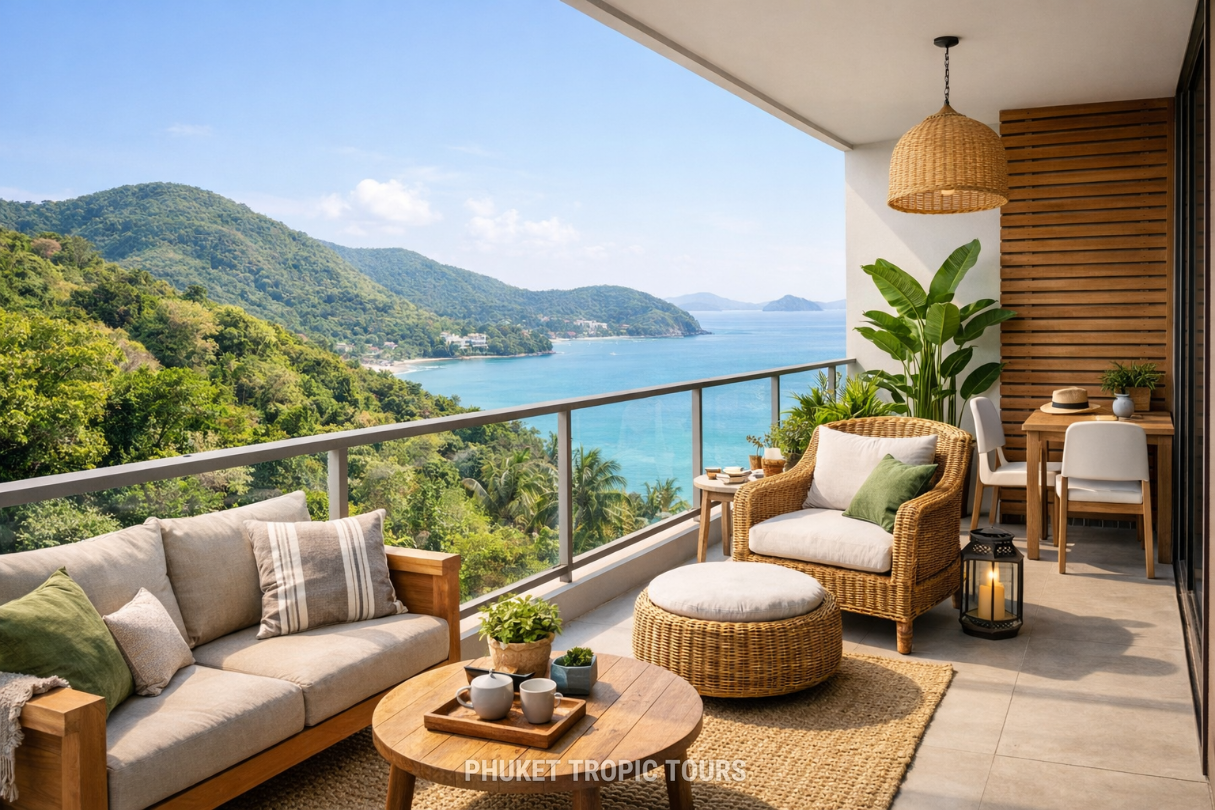
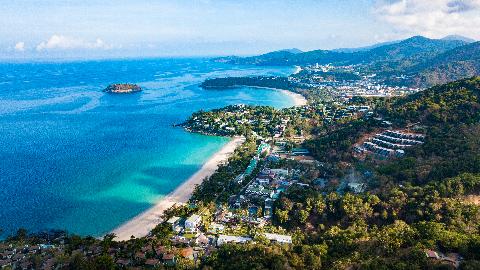
Rawai and Nai Harn in the south are the nomad and expat favourites: laid-back, lots of long-term rentals, great cafes and an easy local feel. Kata and Karon suit those who want the beach on their doorstep with plenty of restaurants. Bang Tao and Cherngtalay in the northwest are more upscale, with modern condos and a polished cafe scene. Phuket Town is cheaper, full of character and culture, and best if you do not need to be beachside every day.
What a Long Stay in Phuket Costs
A long stay is far more affordable than a hotel holiday because monthly rates drop sharply. Here is a rough monthly budget for one person, in Thai baht:
- Studio or one-bedroom apartment (monthly): 15,000–30,000 THB, more for a pool villa.
- Eating a mix of local and Western food: 15,000–25,000 THB.
- Scooter rental (monthly): 3,000–4,000 THB.
- Utilities, SIM and internet: 2,000–4,000 THB.
All in, many long-stayers live comfortably on 40,000–60,000 THB a month, and thriftier nomads spend less. Local markets, street food and cooking at home stretch your budget a long way.
Tip: always ask for the monthly rate rather than paying nightly. The difference is huge, especially if you book directly with the owner for a stay of a month or more.
Getting Around
Most long-stayers rent a scooter, which is the cheapest and most flexible way to explore, at around 3,000–4,000 THB a month. Always wear a helmet and make sure you are properly licensed and insured.
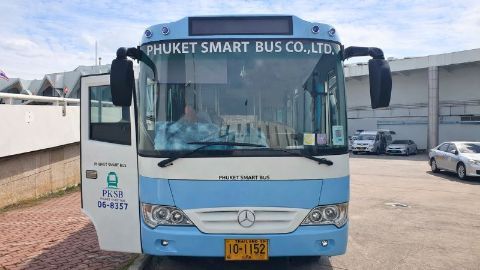
If you would rather not ride, ride-hailing apps like Grab and Bolt work across the island, and the orange Phuket Smart Bus runs along the west coast from about 100 THB a trip. Many condos are also close enough to walk to shops, cafes and the beach.
Things to Do All Season
The best part of a long stay is that you are not rushing. You can slowly work through the island's beaches, viewpoints, markets and temples, and still have the whole Andaman Sea to explore on your doorstep.
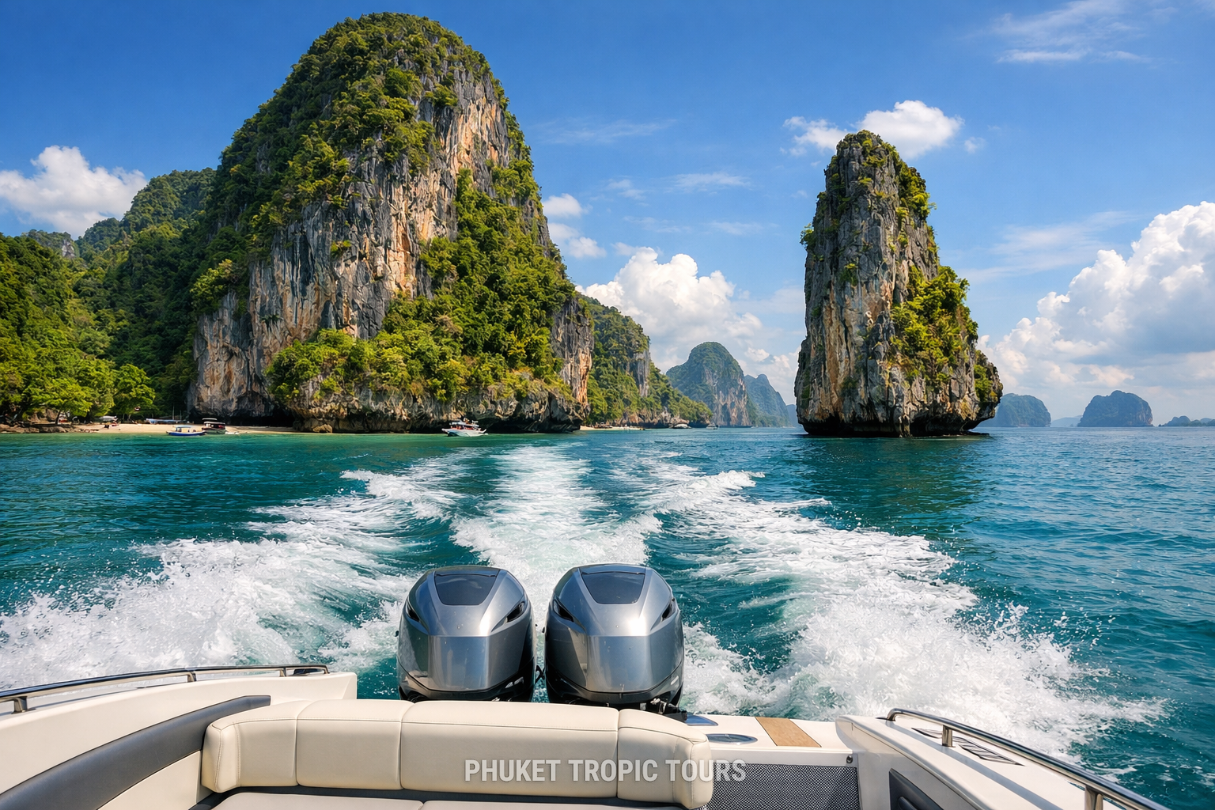
Spread the big adventures across the season instead of cramming them in. A relaxed island-hopping day trip to Phi Phi and Khai Islands is a perfect way to show visiting friends around, and there is always another bay to discover. Browse our Phuket tours and excursions and pick a new one each month.
Conclusion
Wintering in Phuket gives you months of sunshine, a friendly international community, and a genuinely affordable lifestyle by the sea. Sort out the right visa, choose an area that fits your vibe, negotiate a monthly rate, and you have the recipe for an unforgettable season. Once you have spent one winter here, you may find yourself planning the next before you even fly home.