
Book tours, find deals, and explore Phuket – all in one place.


Inside the app, you will find a promo code for a discount on your first tour!
Food poisoning in Phuket is a common problem for tourists. This does not mean that the food on the island is “bad” — it’s simply the combination of heat, humidity, and unfamiliar foods that creates ideal conditions for stomach upsets. The good news is that most cases are easy to prevent. And even if you do get sick, Thailand has everything needed for a quick recovery.
Main causes of food poisoning in Phuket
Phuket means heat, humidity, and unfamiliar food. All of this creates conditions in which a tourist’s digestive system can easily fail. Food poisoning does not happen because the food is “bad,” but due to a combination of factors that are important to understand:
Heat and humidity
Food spoils much faster, especially outdoors and at markets. What would be safe in a cooler climate becomes risky here.
Seafood
Freshness is crucial. Improper storage or refreezing can cause a strong reaction within just 2–6 hours.
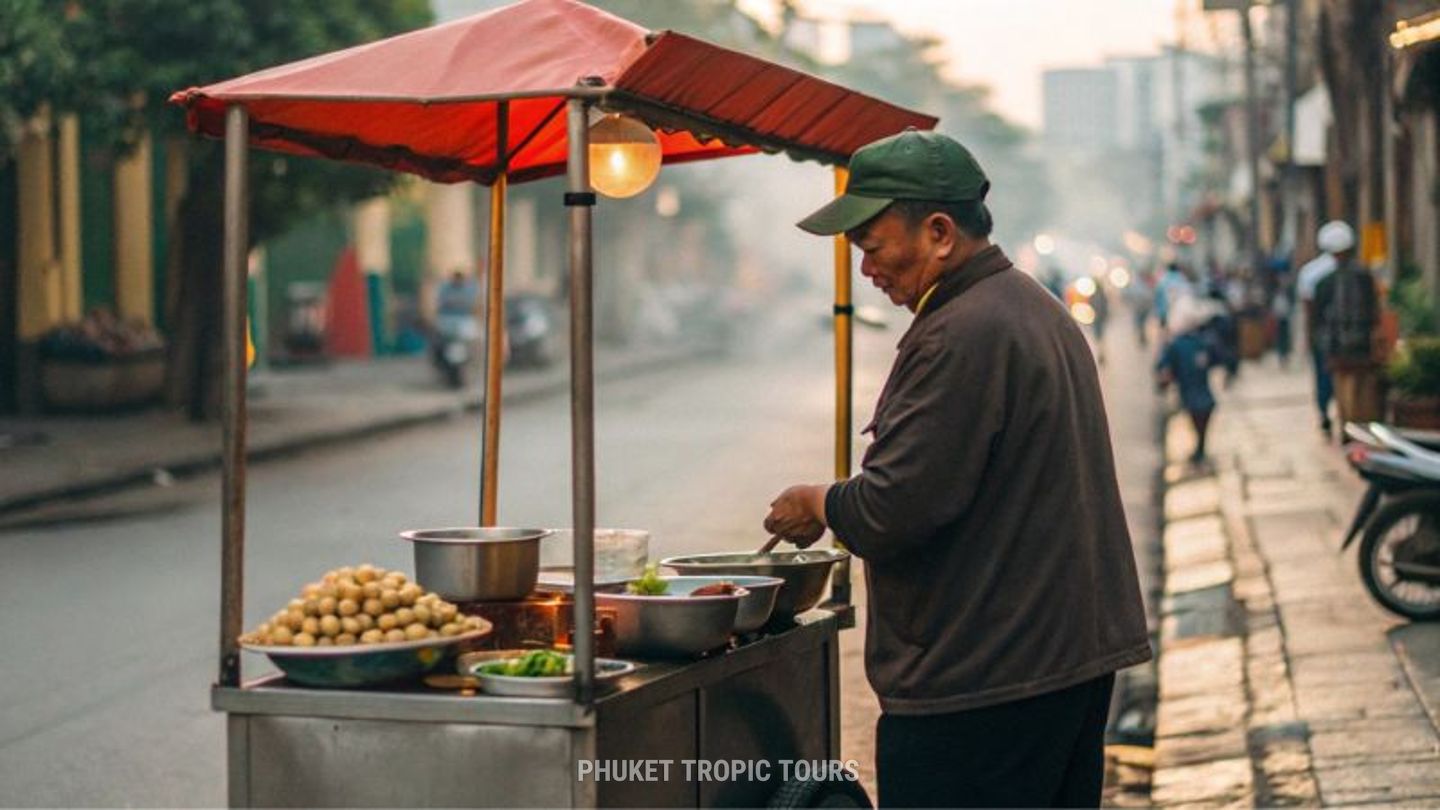
Street food and low product turnover
Temperature control is not always maintained. If food sits on display for hours, especially under the sun, the risk increases.
Fruits, juices, and smoothies
If fruit is poorly washed or diluted with tap water, stomach upset is very likely.
Ice of questionable quality
In cafés and shops, ice is made from purified water and is safe.
On street carts, ice is often chipped from large blocks of unknown origin.
Dairy products
Thai people consume very little dairy, so its freshness and quality can be inconsistent.
Thai spiciness
Even perfectly fresh food can cause diarrhea due to extreme spiciness or excessive oil.
Acclimatization
Changes in water, food, heat, and humidity can cause weakness, bloating, and mild diarrhea. Tourists often mistake this for food poisoning.
How to avoid food poisoning in Phuket
Choose restaurants wisely
- Go where there are many customers — high turnover means fresher food.
- Avoid empty restaurants and places where food sits on display all day.
- During the first days, choose trusted places or familiar cuisine if you are unsure about Thai food.
- Street food is tasty and popular, but choose stalls with high traffic.
Seafood
- Eat at trusted restaurants or at the seafood market (Rawai), where you choose fresh seafood and it is cooked in front of you.
- Avoid raw oysters, street sushi, and seafood from carts.
- If the smell or appearance seems suspicious — don’t risk it.
Ice and drinks
- In cafés, restaurants, 7-Eleven, and Tops, ice is safe and made from purified water.
- On street carts, it’s better to avoid drinks with ice.
Fruits and salads
- Buy only whole fruits and wash them yourself.
- Ready-made fruit salads in the heat are a common cause of stomach problems.
Dairy products
- Buy dairy only in supermarkets: 7-Eleven, Lotus’s, Villa Market, Tops.
- Avoid dairy from small, unknown shops.
- Always check expiration dates.
Hygiene and prevention
- Wash your hands before eating and carry hand sanitizer. (Bacteria multiply very quickly in the heat.)
Hydration
- Dehydration can feel similar to food poisoning: weakness, diarrhea, dizziness.
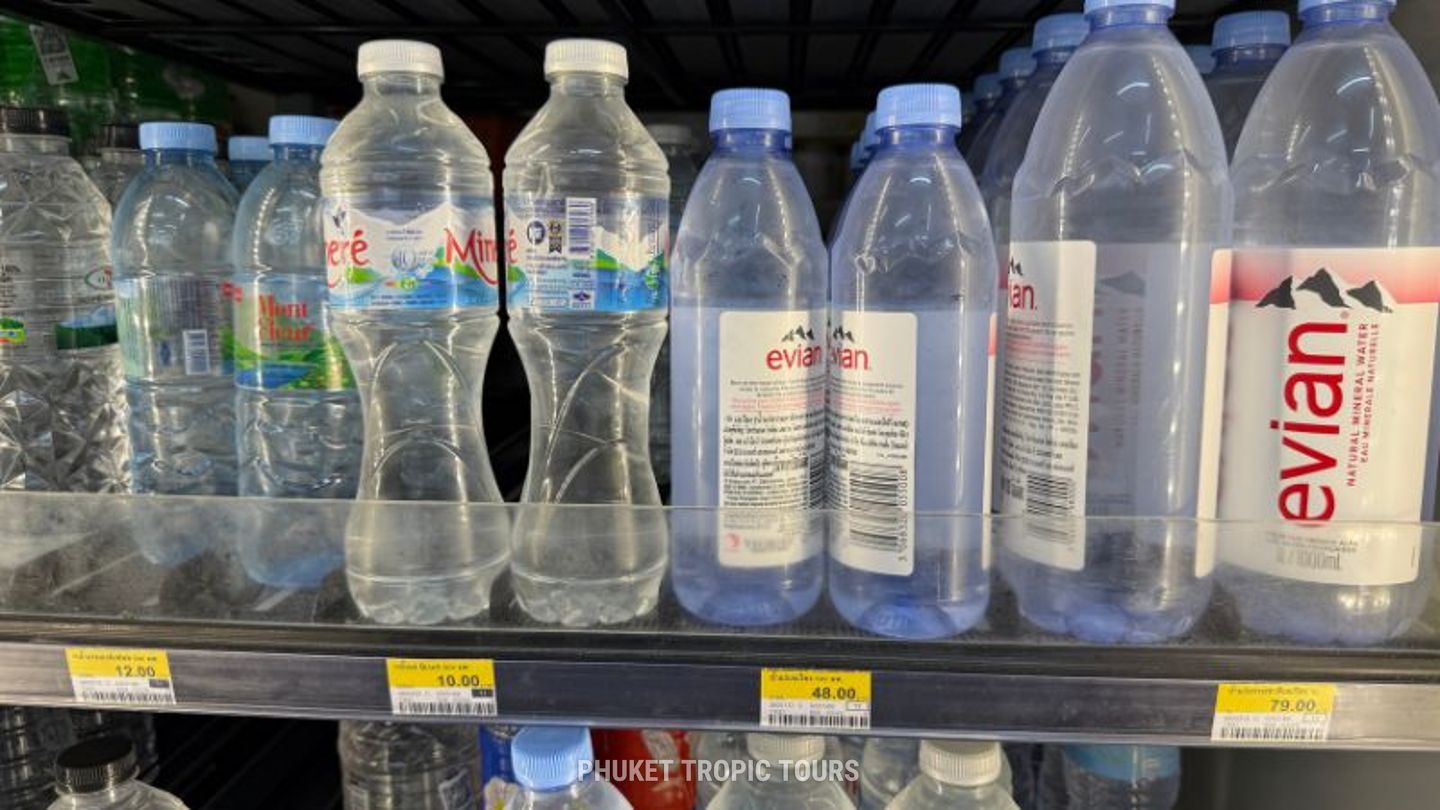
- Drink 1.5–2 liters of bottled water per day.
- Electrolytes are sold at 7-Eleven (5–15 THB) and help recovery after heat exposure.
What to do if you get food poisoning
If you do get sick, the most important thing is not to panic. In about 80% of cases, the condition can be stabilized on your own.
Main steps:
- Drink plenty of water and electrolytes.
- Eat light foods: rice, broth, bananas.
- Avoid dairy, spicy food, fatty food, coffee, and alcohol.
- Drink small amounts frequently.
What to buy in Thailand if you have food poisoning
Thailand has effective over-the-counter medications:
White Rabbit — a Thai sorbent. Helps with nausea and diarrhea, suitable for mild intoxication. Take 2 capsules 2–3 times a day.
Ya Hom — a herbal powder for nausea, dizziness, and weakness. Can be dissolved in water.
ORS (Oral Rehydration Salts) — electrolyte sachets for rehydration. Drink after each episode of diarrhea.
Enterosgel, Smecta — common sorbents available in Thai pharmacies.
Loperamide (Imodium) — only if diarrhea occurs without fever. Not recommended in suspected infections.
Activated charcoal — a mild remedy for minor stomach issues. 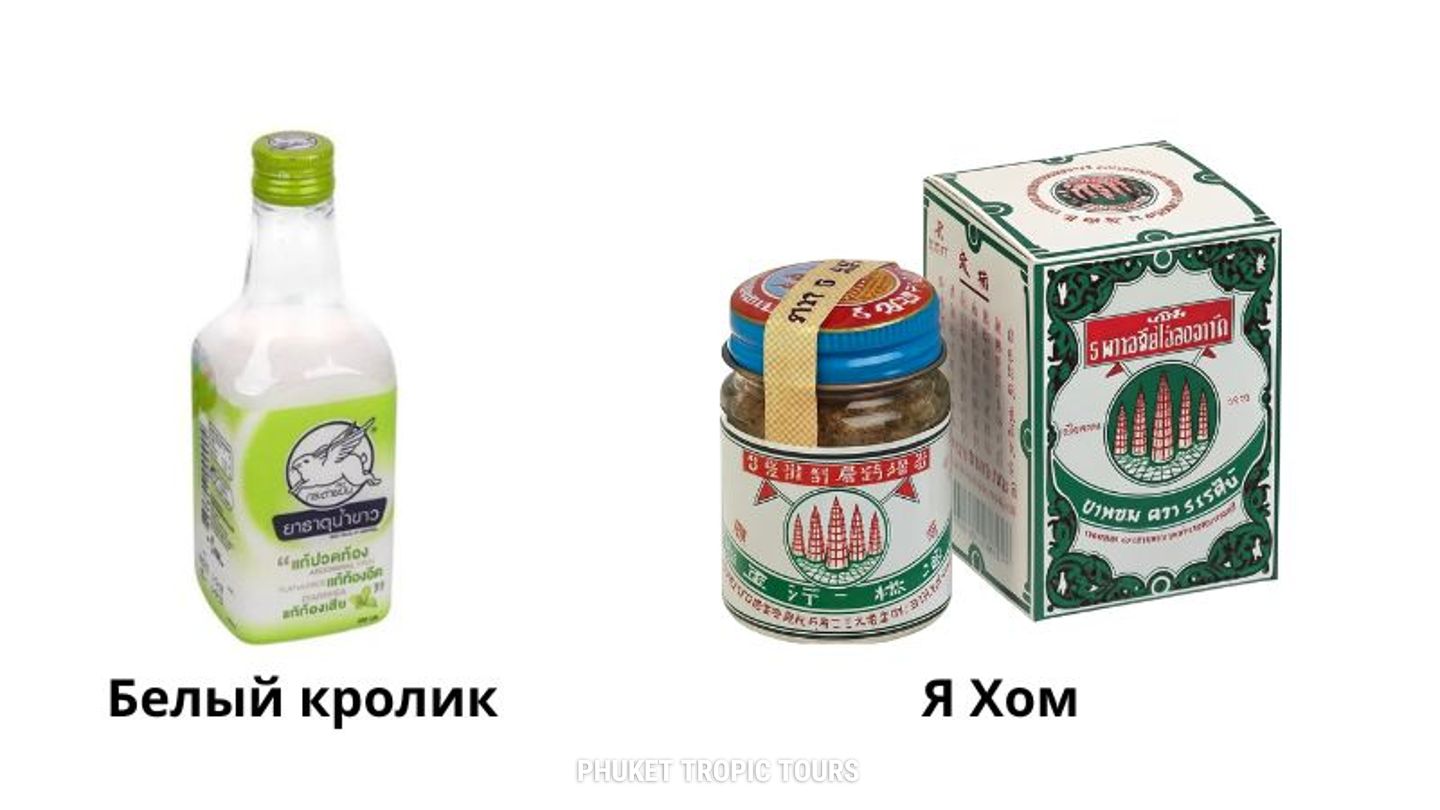
When you should go to the hospital
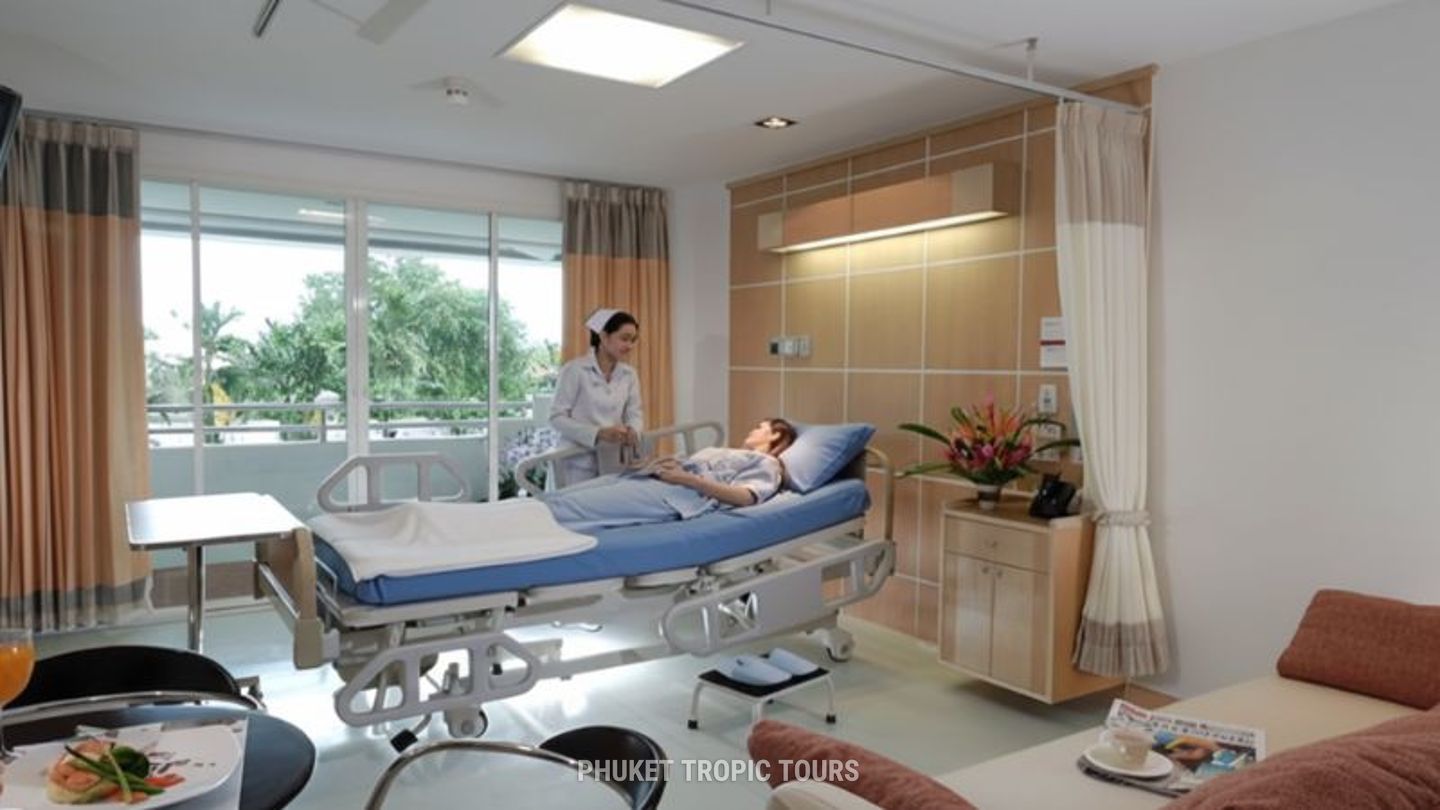
Most mild cases resolve on their own, but medical attention is needed if you experience any of the following:
- Fever above 38.5°C lasting more than 24 hours.
- Vomiting 4–5 times a day or more, especially if you can’t keep fluids down.
- Severe weakness or signs of dehydration (dry mouth, dizziness, infrequent urination).
- Blood in the stool or dark, tar-like stools.
- Severe or worsening abdominal pain.
- Pregnancy — even mild symptoms require consultation.
- A child is sick — children dehydrate faster and need prompt care.
What to bring from home
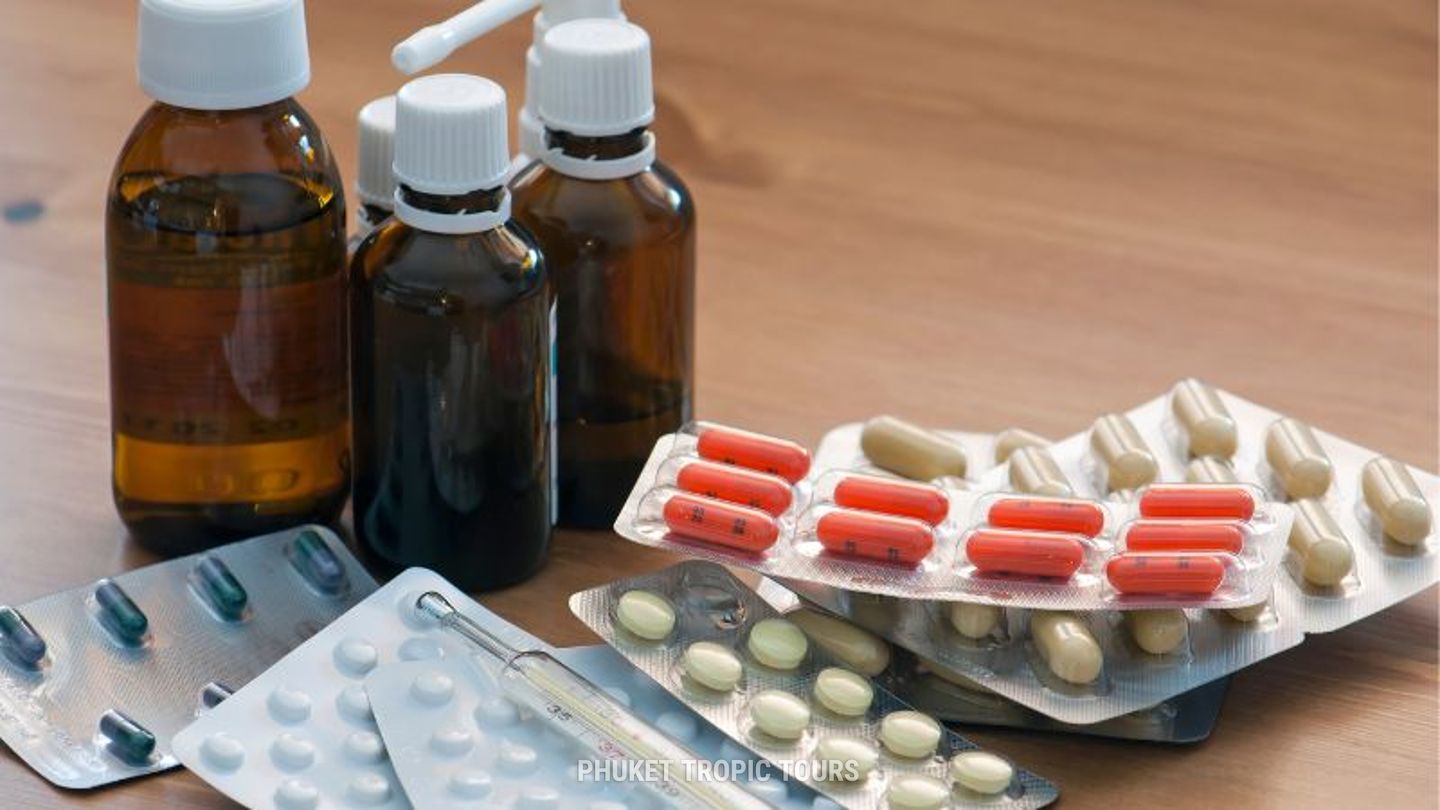
You don’t need to bring a large first-aid kit to Phuket unless you take prescription medication. Most basic remedies are easily available in pharmacies and even in 7-Eleven.
However, if you want extra peace of mind, consider bringing:
- Enterosgel or Smecta
- Rehydron
- Imodium
- Activated charcoal
- Thermometer
Conclusion
Food poisoning in Phuket is fairly common, but in most cases it can be prevented. Choose reliable restaurants, drink plenty of water, avoid excessive spicy food, and pay attention to food freshness.
If you are traveling with children and their condition worsens, it’s best not to delay a visit to the hospital.