
Book tours, find deals, and explore Phuket – all in one place.


Inside the app, you will find a promo code for a discount on your first tour!
If you are vacationing in Phuket and notice tourists wearing red or white threads on their wrists — this is Sai Sin, a sacred thread tied by a monk during a blessing ceremony. On the island, these threads are very common, and absolutely anyone can receive one at temples as a symbol of protection, good luck, and a safe journey.
In this article, we briefly explain what Sai Sin means, why red threads are more common in Phuket, how the ritual works, and which temples in Phuket offer blessings.
- What Is Sai Sin?
- Why Do Thai People Wear Sacred Threads?
- Red and White Threads: What’s the Difference in Phuket?
- How the Blessing Ceremony Works and Do You Need to Pay?
- Where to Get Sai Sin in Phuket?
- Temple at the Big Buddha
- Wat Chalong
- Karon and Kata Temples
- Smaller Local Temples
- How Long Should You Wear the Thread?
- Can You Bring Sai Sin Home as a Souvenir?
- Conclusion
What Is Sai Sin?
Sai Sin is a thin thread, most often red, that a monk ties around your wrist during a short spiritual ritual. This gesture symbolizes a wish for good luck, protection, and a safe journey. In Phuket, red threads are the most commonly seen.
Many people believe that when the monk ties the thread, you should silently make a wish. It is said that Sai Sin helps that wish come true. 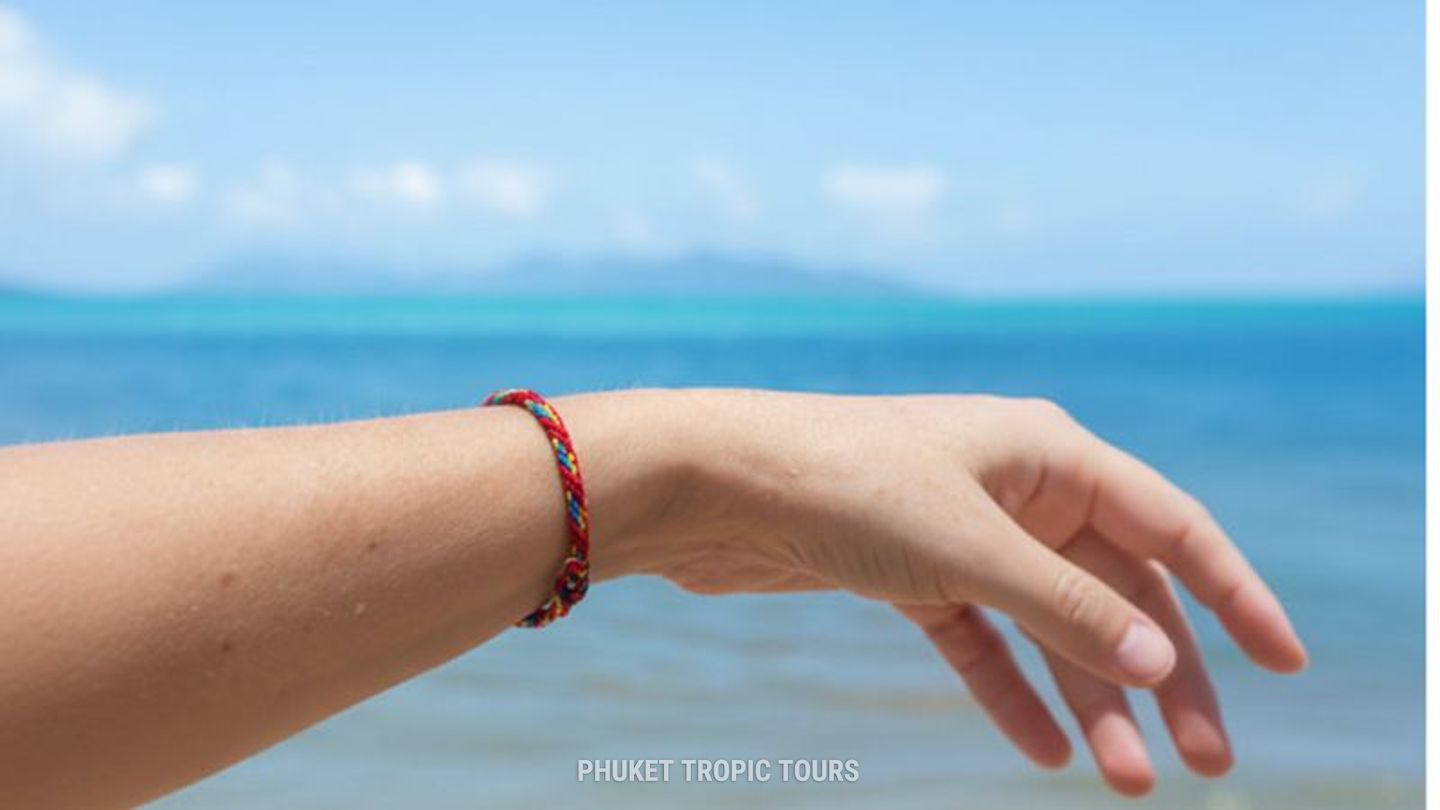
Why Do Thai People Wear Sacred Threads?
For Thai people, the thread serves as a reminder of the monk’s blessing and a personal symbol of good intentions. It is often worn during times of change, before important events, or ahead of long journeys to feel more confident and protected.
For locals, Sai Sin is not jewelry. It is a personal talisman that helps maintain balance and a positive mindset in everyday life. 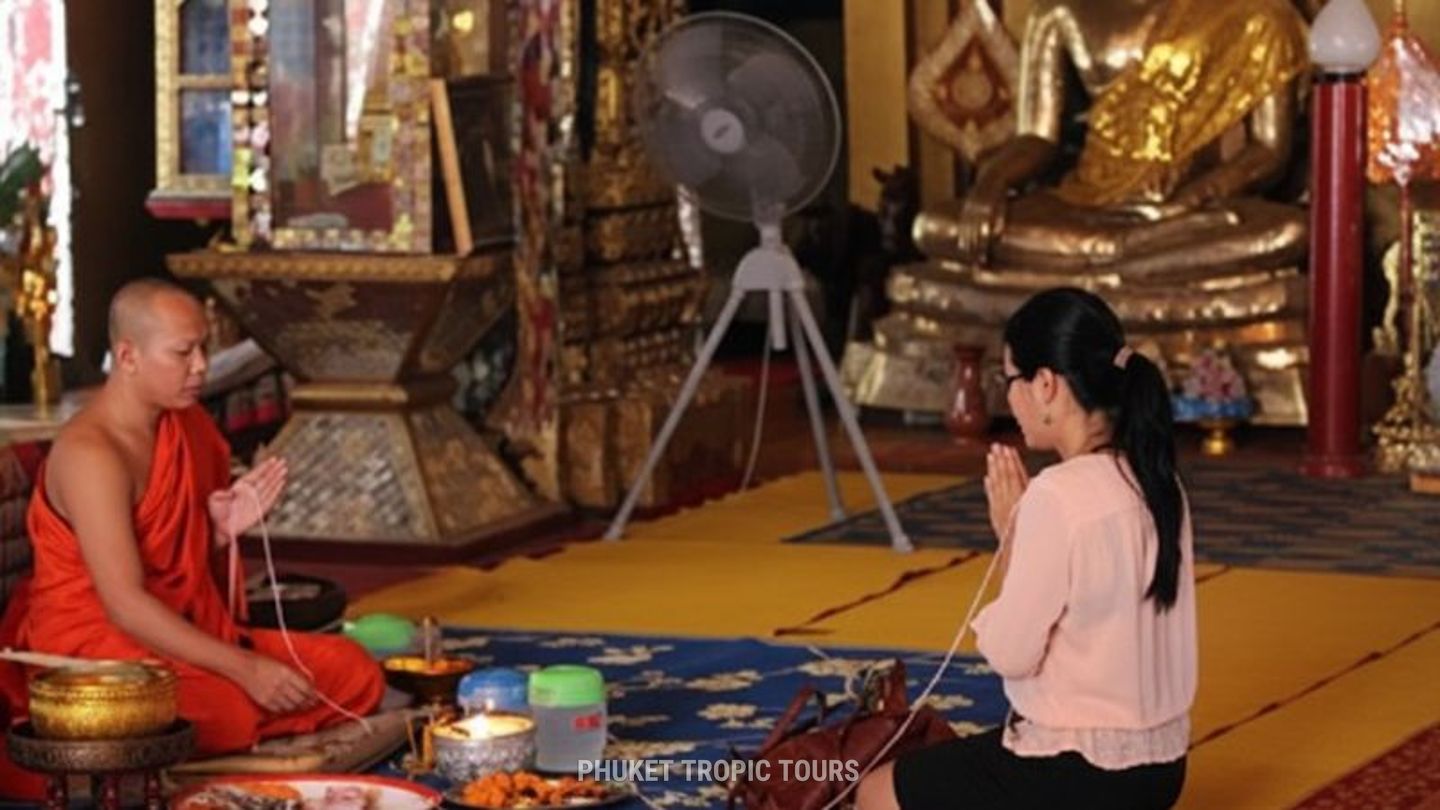
Red and White Threads: What’s the Difference in Phuket?
Sai Sin usually comes in two main colors. The white thread symbolizes peace, purity, and inner balance. It is often used in larger ceremonies and family rituals.
The red thread is considered a stronger symbol of protection and attracting good luck. In Phuket, red or red-and-yellow threads are the most common. They are tied for both locals and tourists, which is why this color has become the most recognizable on the island. 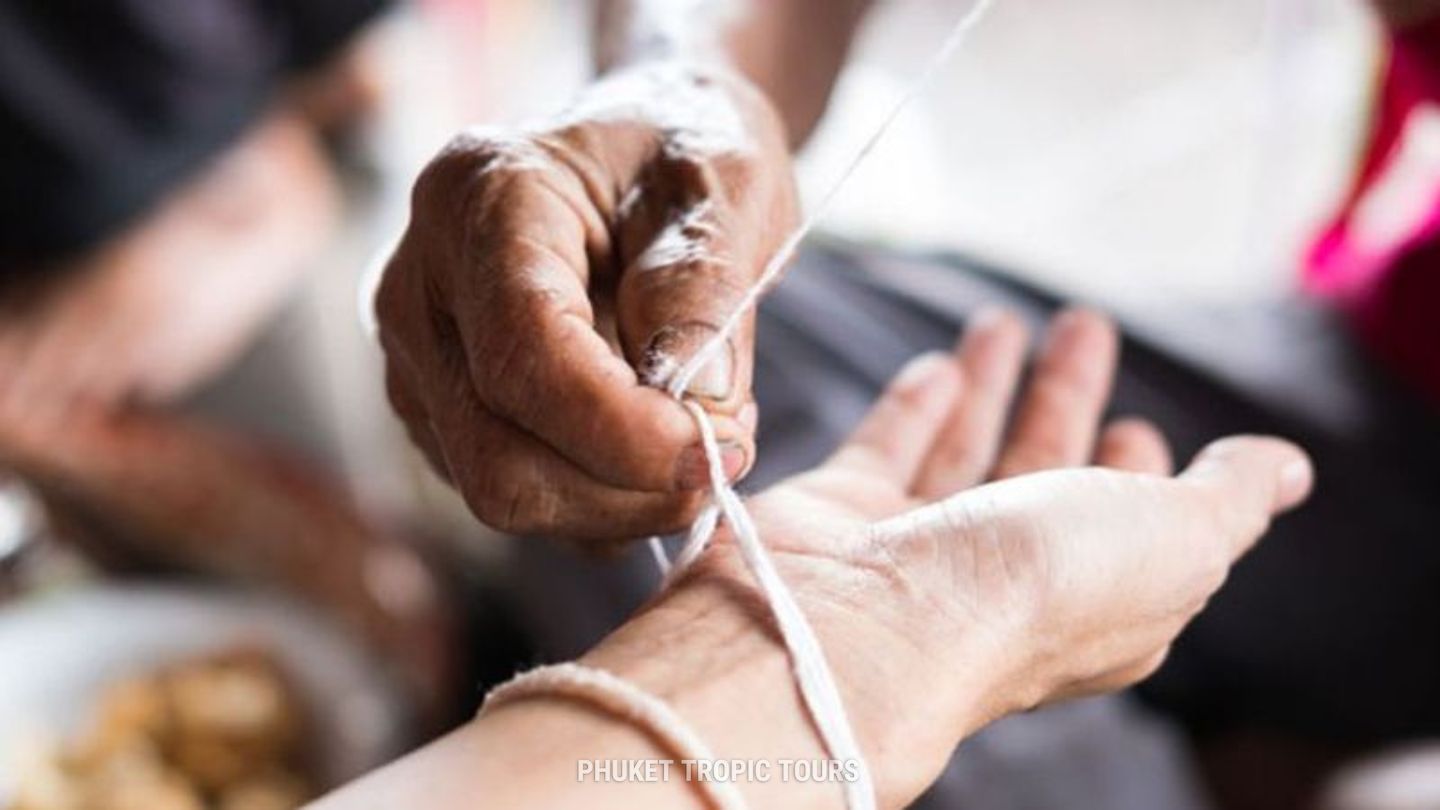
How the Blessing Ceremony Works and Do You Need to Pay?
The ritual is simple and respectful. Locals usually kneel and press their palms together in a traditional wai gesture. Tourists do not have to follow every detail — you can simply sit calmly and place your hands on your knees.
The monk recites a short prayer, lightly sprinkles holy water, and gently ties the thread around your wrist. Many people quietly make a wish at this moment.
There is no fixed fee for the ritual. Temples usually accept voluntary donations, typically between 20 and 100 baht, but the amount is always up to you. 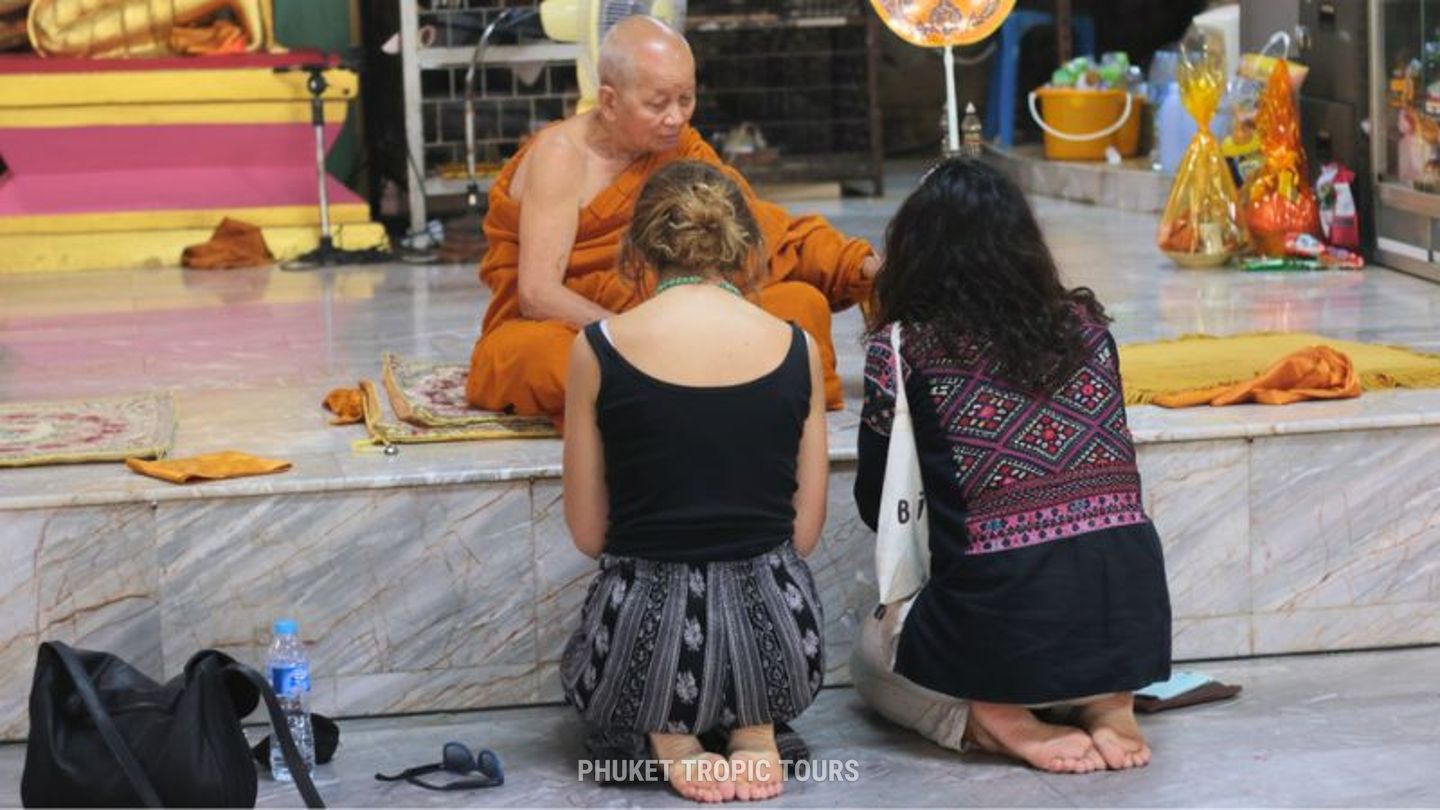
Where to Get Sai Sin in Phuket?
Temple at the Big Buddha
In the past, blessing ceremonies were often held here, and it was very popular among tourists. Currently, the temple complex is temporarily closed, so it is not possible to receive a blessing there at the moment.
Wat Chalong
This is one of the best places to receive Sai Sin. The highest chance of meeting a monk for a blessing is usually between 10:00–12:00 and 14:00–16:00, when ceremonies are most commonly performed.
Karon and Kata Temples
At Karon Temple, blessings are especially common on night market days, which take place on Tuesdays and Fridays. You can usually find a monk around 16:00, but it is better to arrive a little earlier.
Smaller Local Temples
In smaller temples, the thread-tying ritual is practiced regularly. Tourists often hesitate to approach because of the language barrier, but in reality, a polite gesture and slight bow are usually enough. Monks are generally welcoming and happy to offer a blessing. 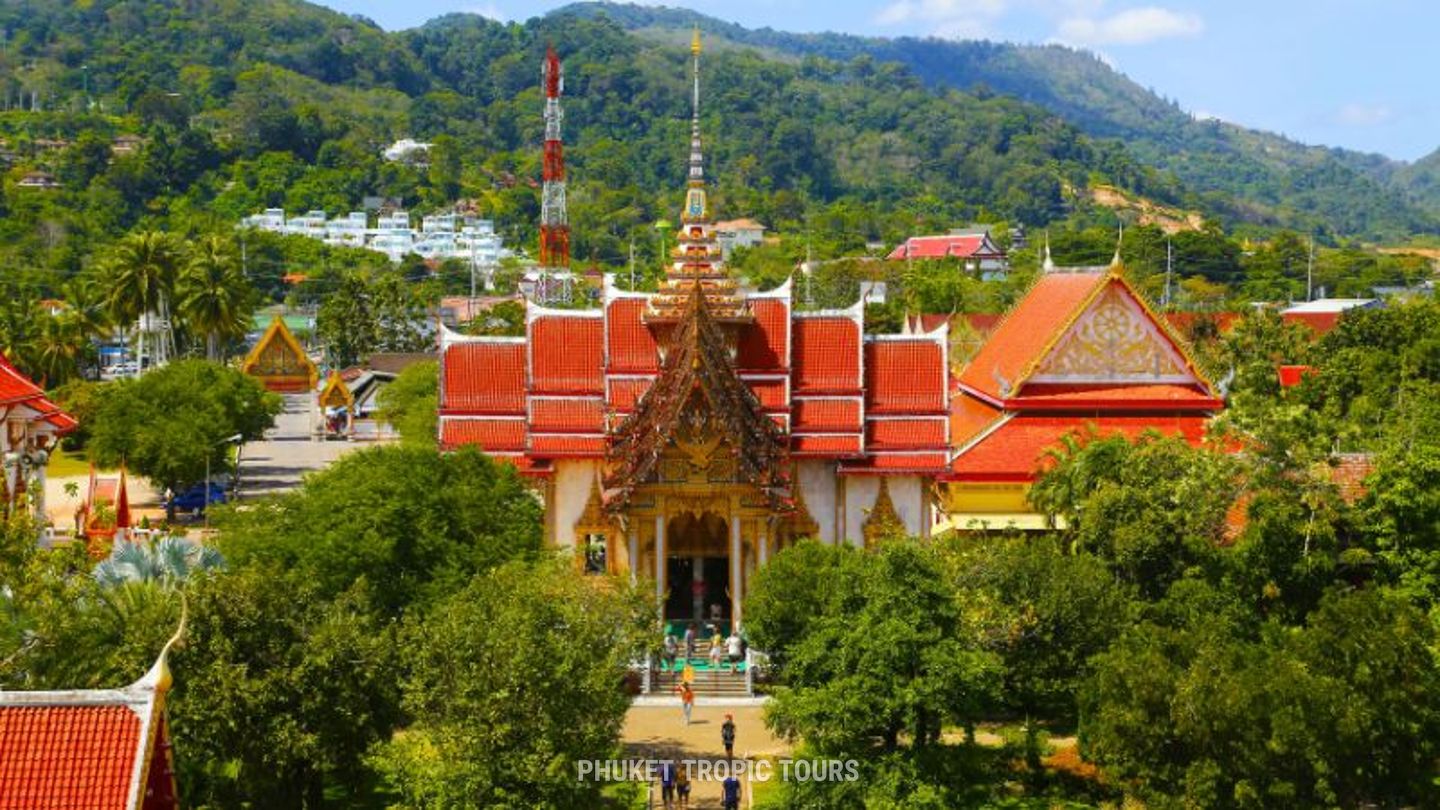
How Long Should You Wear the Thread?
Sai Sin is usually worn until it naturally falls off. It is not customary to remove it intentionally. The thread is believed to serve as a gentle protective symbol for as long as it remains on your wrist.
If the thread breaks, it is considered a good sign. According to local beliefs, it has absorbed negativity and simply completed its purpose. If you made a wish during the ritual, the moment the thread falls off is sometimes seen as a symbol that your wish is beginning to come true. 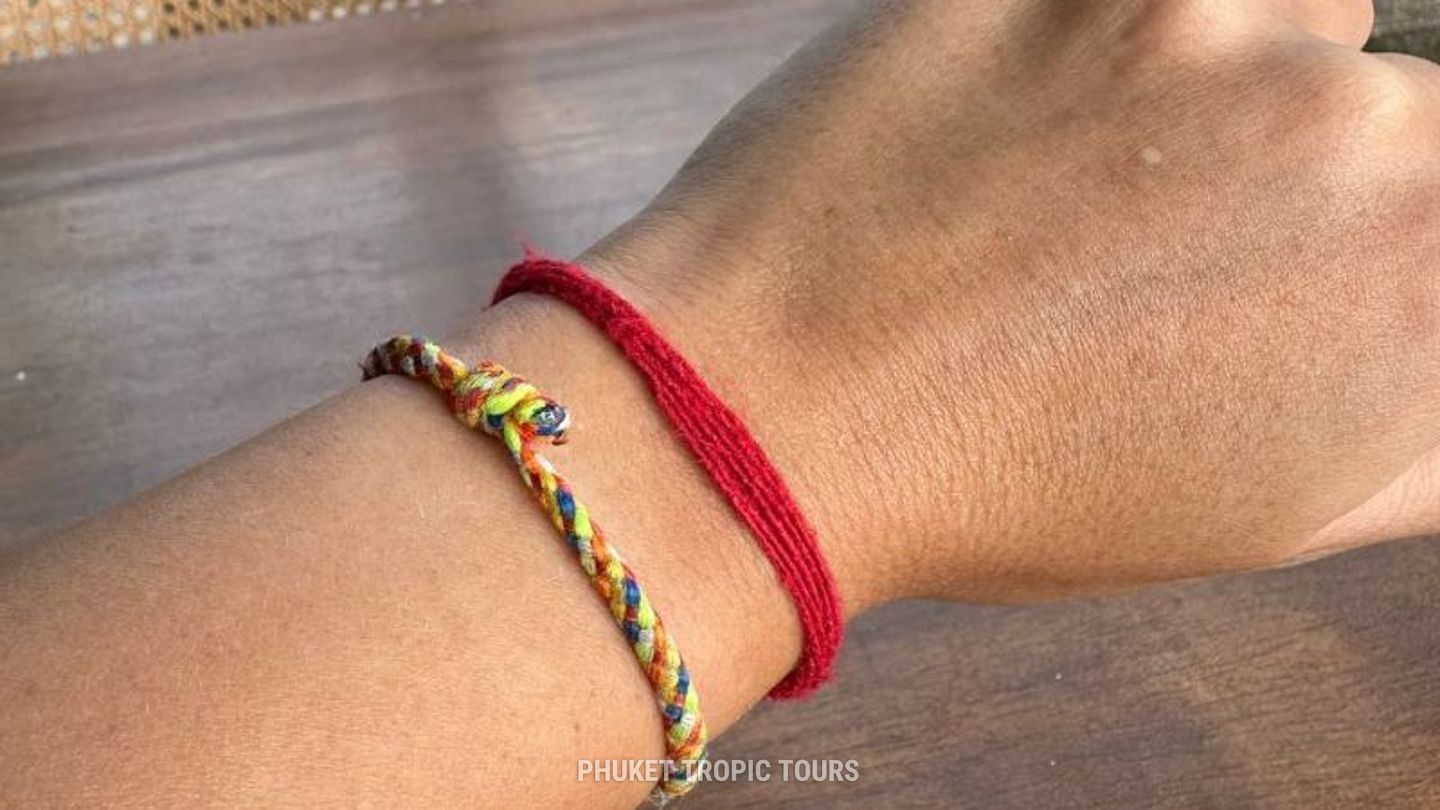
Can You Bring Sai Sin Home as a Souvenir?
Yes, you can take the thread home with you. The important part is receiving it directly from a monk during a blessing, as this gives it spiritual meaning.
Threads sold in shops do not carry the same sacred significance, which is why many visitors prefer to participate in an authentic temple ritual. 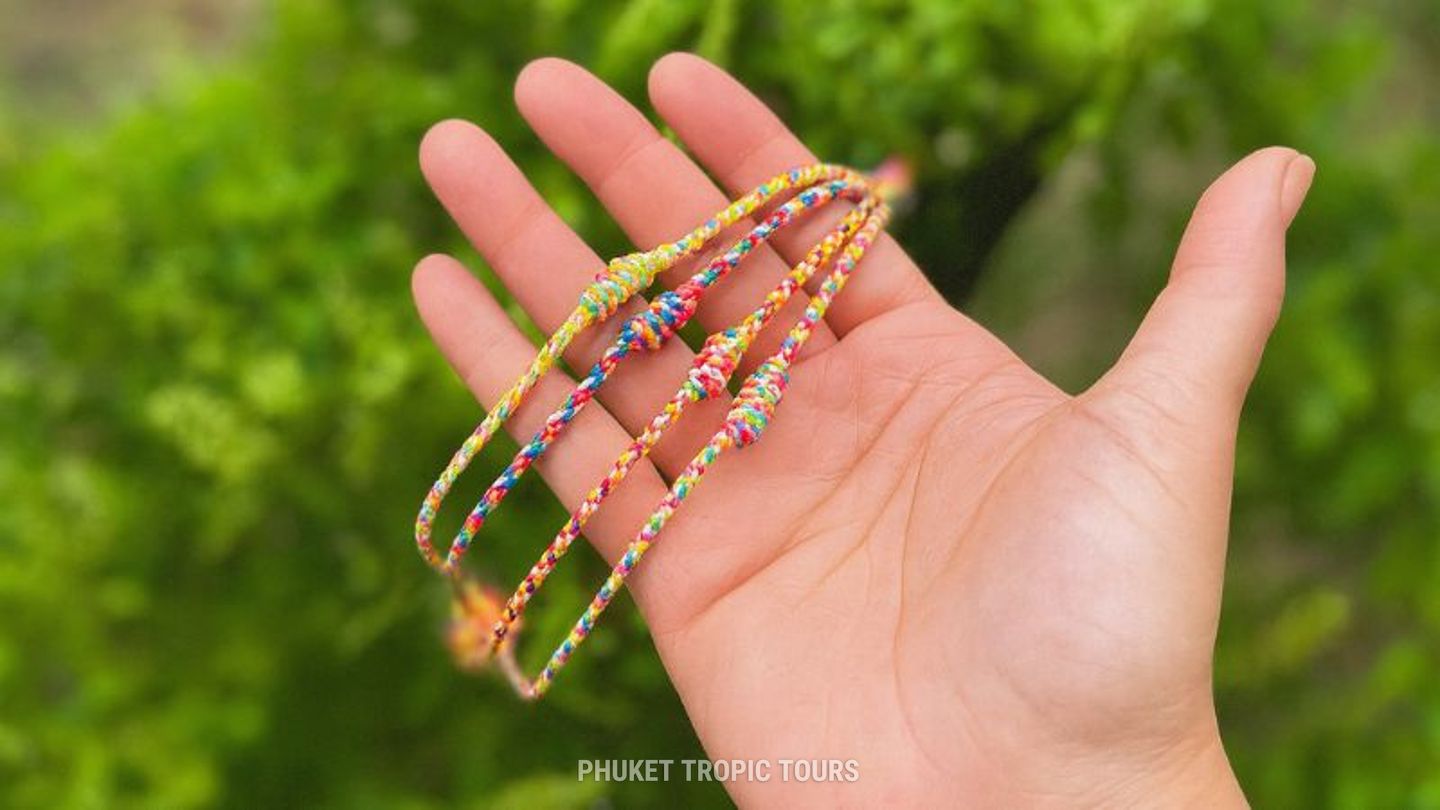
Conclusion
Sai Sin is a simple yet warm Buddhist ritual that many visitors to Phuket remember for a long time. It helps people feel more protected, calmer, and gives them a small symbol of good luck to take home.