
Book tours, find deals, and explore Phuket – all in one place.


Inside the app, you will find a promo code for a discount on your first tour!
Thailand Cannabis & Border Rules 2026: Traveler's Guide
If you're planning a trip to Phuket, you've probably seen the headlines: new crime warnings, tighter airport checks and questions about Thailand's cannabis laws. It sounds alarming, but the reality for the average traveler is simple once you know the rules.
In this guide we break down Thailand's cannabis and border rules for 2026 in plain English — what's legal, what will get you in serious trouble, what to expect at the airport, and how to keep your Phuket holiday completely stress-free.
In this guide
- Is Phuket still easy to visit in 2026?
- Thailand's cannabis rules in 2026
- Never carry cannabis across the border
- Airport checks and what to declare
- Updated immigration and entry rules
- Practical tips to stay trouble-free
- What it means for your Phuket holiday
- Conclusion
- FAQ
Is Phuket still easy to visit in 2026?
Yes. Despite the dramatic headlines, Phuket remains one of Asia's most welcoming and straightforward destinations for tourists. The recent alerts from countries like the US, UK and Canada are mostly about awareness, not danger — they remind visitors that Thailand has tightened certain rules, especially around cannabis and repeated border crossings.
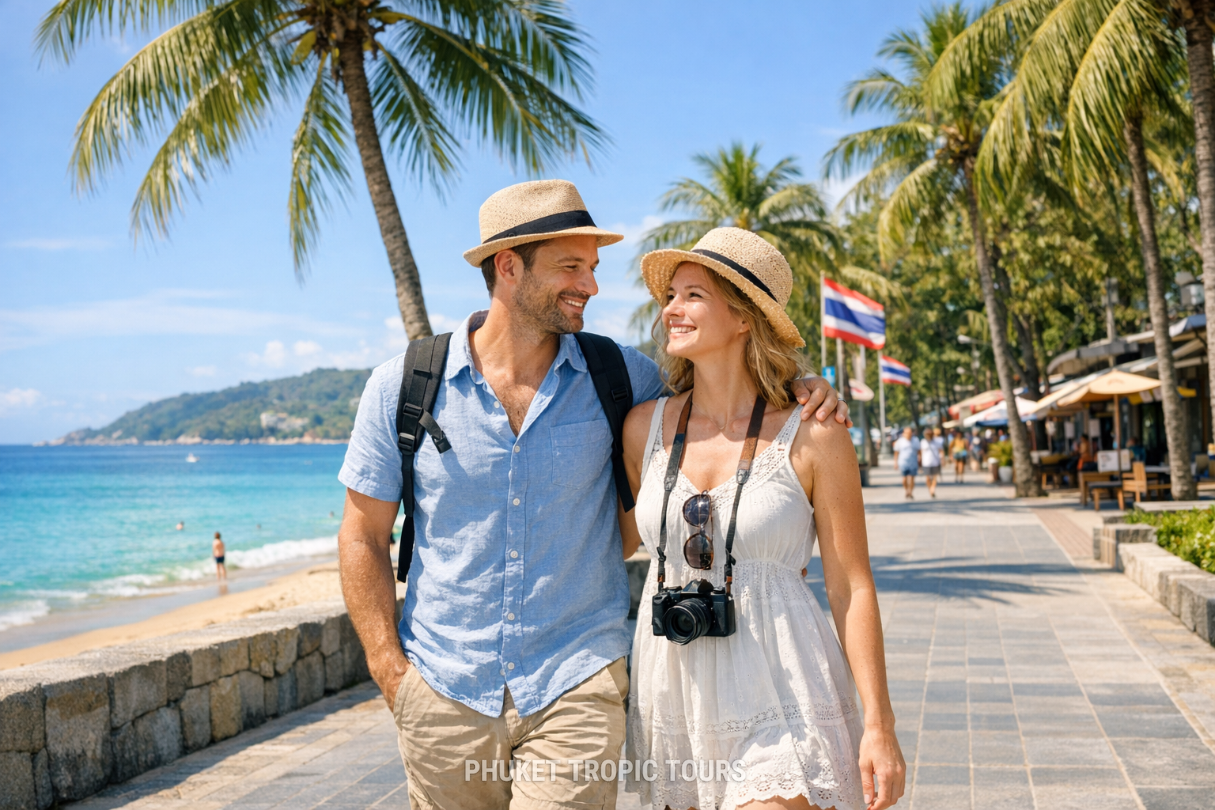
For the ordinary traveler, Phuket in 2026 is as easy and welcoming as ever.
The key is simple: know the current rules before you fly, respect them on the ground, and you'll have nothing to worry about. Below we walk through exactly what has changed and why.
Thailand's cannabis rules in 2026
Thailand made global news when it relaxed its cannabis laws, and for a while dispensaries appeared on many tourist streets. Since then the government has steadily tightened the framework, steering cannabis firmly toward medical and controlled use rather than a free-for-all recreational market.
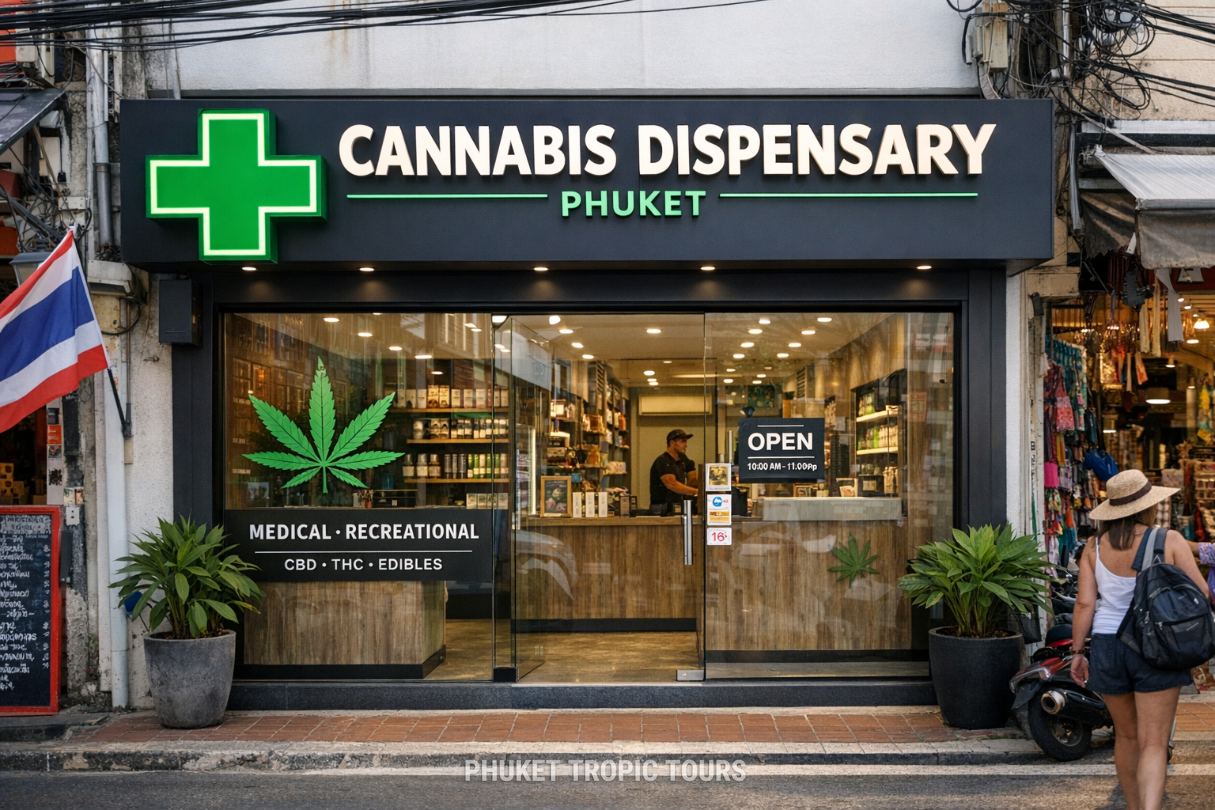
Cannabis in Thailand is now far more regulated than in its early open-market days.
What this means in practice: rules can differ from what you remember or read a couple of years ago, enforcement is stricter, and the safest assumption is to treat cannabis as a regulated substance. Requirements around prescriptions, licensed sellers and where you can legally consume have been evolving, so always check the current official position before your trip rather than relying on old blog posts or word of mouth.
Never carry cannabis across the border
This is the single most important rule, and the one behind most of the recent airline warnings. Whatever the rules are inside Thailand, taking cannabis — in any form, including edibles, oils or products bought legally in a shop — across an international border is a serious criminal offense in Thailand and in almost every country you might fly to.
Passengers on major carriers have been specifically alerted that cannabis cannot leave or enter the country in luggage. Penalties can include heavy fines and imprisonment, and "I bought it legally" is not a defense at customs. The rule is simple and absolute: never pack it, never post it, never carry it through an airport. When in doubt, leave it out.
Airport checks and what to declare
Arrivals and departures at Phuket and other Thai airports now involve more thorough screening than a few years ago. For the vast majority of travelers this means nothing more than a normal, slightly more attentive customs process — the same routine you'd expect at any international airport.
Keep it easy on yourself: don't carry any cannabis or related products, declare anything the customs form asks about, and keep medications in their original packaging with a prescription or doctor's note if they're strong or controlled. If you're unsure whether a personal medication is restricted in Thailand, check with the Thai embassy or an official source before you fly.
Updated immigration and entry rules
Separate from cannabis, Thailand has also tightened immigration checks — the second theme in the recent international coverage. The changes mainly target people who repeatedly enter on tourist status to effectively live long-term, closing the old "border run" loophole. Officers are paying closer attention to frequent back-to-back entries.
For a normal holidaymaker on a single trip, this rarely causes any issue. Just make sure your passport has enough validity and blank pages, you can show onward or return travel, and you understand the length of stay your entry type allows. If you plan longer or repeated stays, look into the correct visa in advance rather than relying on visa-exempt entries. Immigration rules change often, so confirm the latest terms for your nationality with an official Thai source before booking.
Practical tips to stay trouble-free
None of this should overshadow your trip. A little preparation is all it takes to sail through. Read the current entry and customs rules on an official Thai government or embassy site close to your travel date, since details shift. Keep digital and paper copies of your bookings, insurance and return flight.
On the ground, treat local laws with the same respect you would at home, carry your medications sensibly, and don't try to bring anything questionable across the border. Do that, and the "warnings" you read about simply won't apply to you — leaving you free to focus on beaches, boat trips and good food.
What it means for your Phuket holiday
Here's the reassuring bottom line: these rule changes are about a small minority of travelers doing the wrong thing, not about ordinary tourists enjoying the island. Phuket is still packed with world-class beaches, island-hopping trips, temples, markets and nightlife, all as accessible as ever.
Once your paperwork is sorted, the fun part is planning what to actually do. A stress-free way to start is booking a guided Phuket island-hopping day trip, where a local team handles the logistics while you soak up the scenery. Get the rules right on paper, and Phuket rewards you with one of the easiest tropical holidays anywhere.
Conclusion
The 2026 headlines about Thailand's cannabis and border rules sound scarier than the reality. For the everyday traveler the message is straightforward: cannabis is now tightly regulated, never carry it across a border, expect slightly stricter airport and immigration checks, and confirm the current rules from official sources before you fly. Do those simple things and Phuket stays exactly what it's always been — a warm, easy, unforgettable escape.
FAQ
Is cannabis legal in Thailand in 2026?
Thailand has moved cannabis toward a regulated, medically-focused framework, and the rules have tightened since the early open-market period. Treat it as a controlled substance and check the current official position before your trip.
Can I bring cannabis into or out of Thailand?
No. Carrying cannabis across an international border — even products bought legally in a shop, and including edibles and oils — is a serious criminal offense with severe penalties. Never pack, post or carry it through an airport.
Are the new crime warnings a reason to cancel my Phuket trip?
No. The warnings are mainly about awareness of tighter cannabis and immigration rules, not about danger to tourists. Phuket remains a safe, welcoming destination for ordinary travelers.
What are the new immigration checks about?
They mainly target people who repeatedly enter on tourist status to live long-term, closing the old "border run" loophole. A normal single-trip holidaymaker rarely notices any difference.
What should I do about prescription medication?
Keep medicines in their original packaging, carry a prescription or doctor's note for anything strong or controlled, and check with the Thai embassy if you're unsure whether a medication is restricted.
Do I need a visa to visit Phuket?
Many nationalities can enter visa-exempt or with a visa on arrival for tourism, but rules change often. Confirm the current requirements and permitted length of stay for your passport with an official Thai source before booking.
Where can I check the latest official rules?
Use official Thai government and embassy websites, and your own country's travel advisory, close to your departure date — these are more reliable and up to date than older blog posts or social media.