
Book tours, find deals, and explore Phuket – all in one place.


Inside the app, you will find a promo code for a discount on your first tour!
Southern Thailand Travel Guide 2026: Phuket & Beyond
Southern Thailand is having a moment. New hotels, new flight links and a wave of stylish "lifestyle" stays are turning the region into one of Asia's most exciting places to travel in 2026 — and it stretches far beyond the famous beaches of Phuket.
In this Southern Thailand travel guide we'll show you where the buzz is, from Phuket and up-and-coming Hat Yai to the islands worth the extra hop, plus the new places to stay and how to tie it all into one easy trip.
Why Southern Thailand is booming in 2026
Southern Thailand has always had the beaches, but 2026 is the year the infrastructure caught up. Major hotel groups are expanding fast, adding modern lifestyle-focused stays in both Phuket and Hat Yai, while new air routes are making the whole region easier to reach and easier to combine.
The result is a south that feels fresh: more choice on where to sleep, more ways to island-hop, and a growing spread of visitors beyond the classic Phuket-only trip. For travelers, it means better value, newer rooms and the chance to explore corners of the region that used to be an afterthought.
Phuket: the gateway to the south
Phuket remains the beating heart of southern Thailand and the natural place to start. Its international airport connects to the whole world, its west-coast beaches are as good as ever, and it's the launchpad for the region's best boat trips. Think of Phuket as base camp for the entire south.
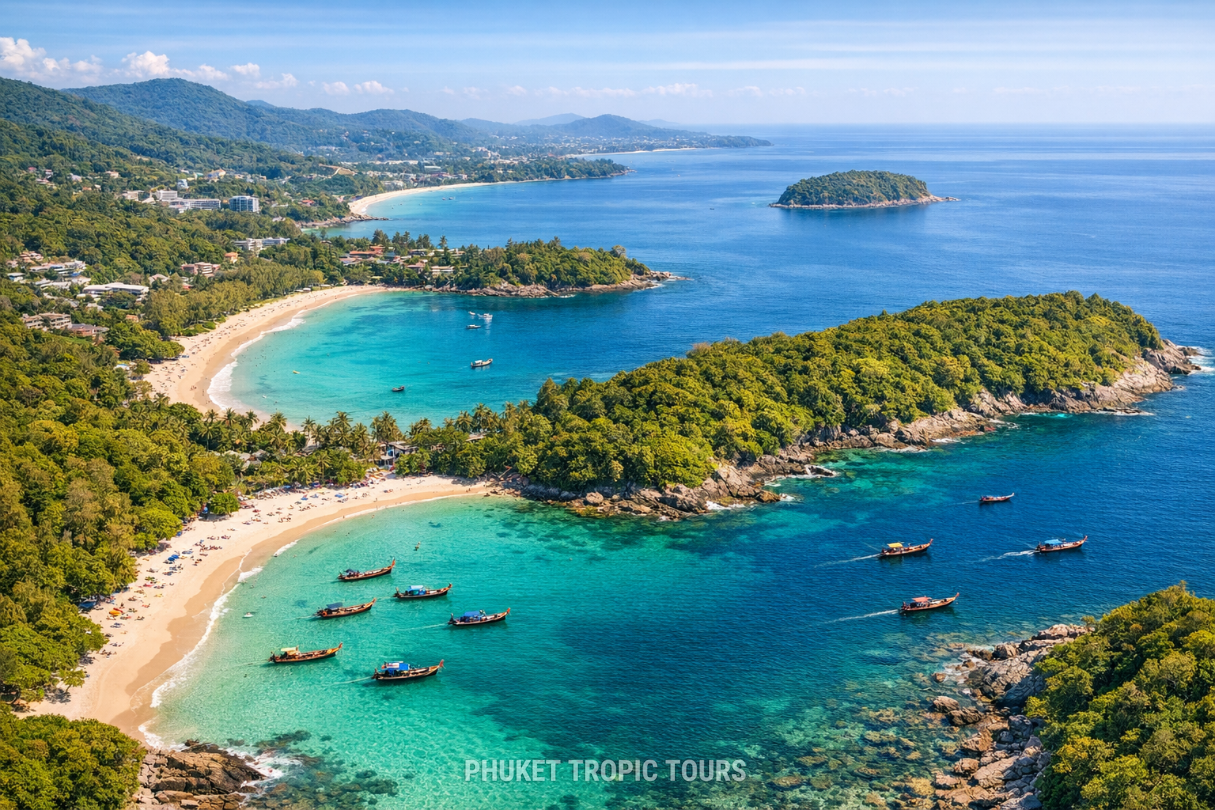
Phuket is the natural base camp for exploring southern Thailand.
Beyond the beaches, Phuket rewards a bit of exploring: the Sino-Portuguese streets of Old Town, Big Buddha's hilltop views, buzzing night markets and easy day trips to nearby islands. It's also where you'll find the widest choice of tours, so it's the simplest place to lock in your on-the-water adventures before heading further afield.
Hat Yai: the underrated southern hub
If Phuket is the star, Hat Yai is the rising challenger. This lively city in the deep south has long been a trade and food hub, and it's now attracting new lifestyle hotels as investors bet on southern Thailand's growth. For travelers, it offers a very different, more local flavor than the beach resorts.
Hat Yai is all about markets, street food and value. It's a fantastic stop for adventurous eaters, with a food scene shaped by Thai, Chinese and Malay influences, plus easy access to waterfalls, temples and the Malaysian border. It won't replace a beach holiday, but as a two-night cultural add-on it adds real depth to a southern trip.
New places to stay: the lifestyle-hotel boom
The biggest story of 2026 is where you sleep. Hotel groups are rolling out modern, design-led "lifestyle" stays across the south, aimed at younger travelers who want style, social spaces and good coffee alongside a comfortable bed. Both Phuket and Hat Yai are getting new openings in this category.
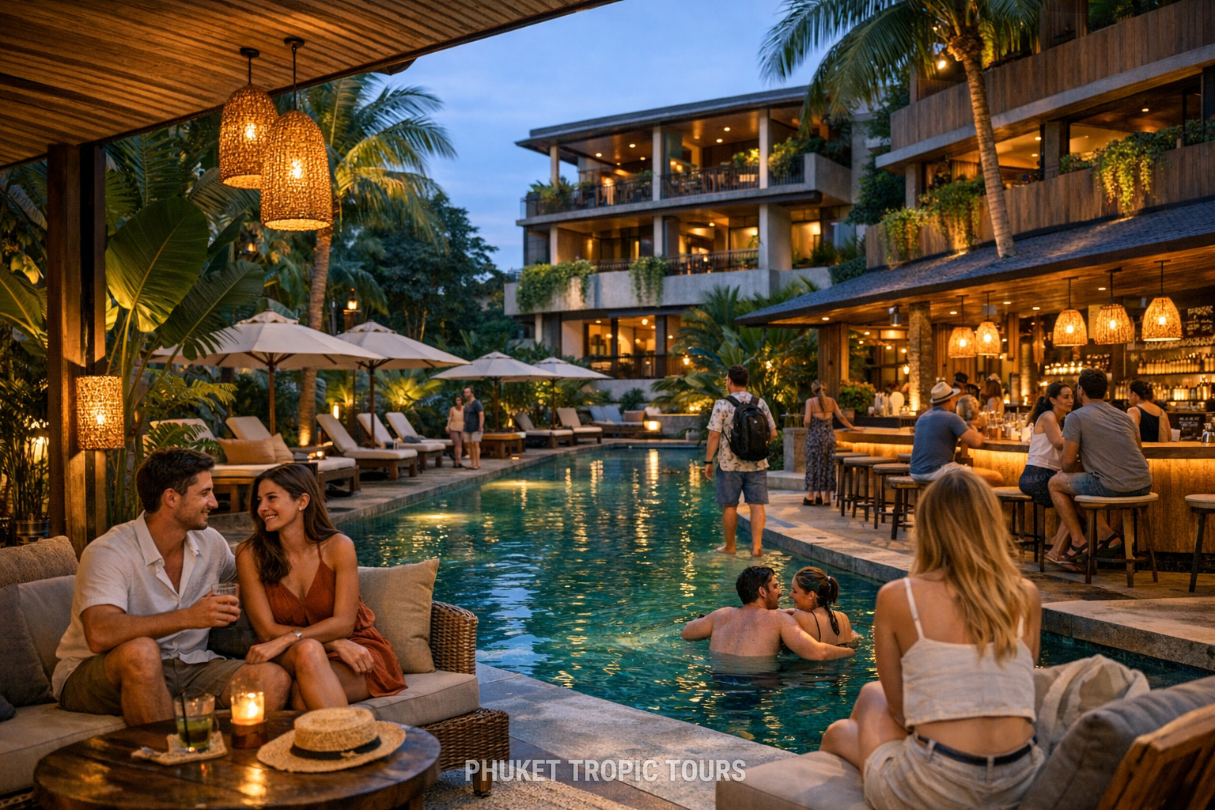
New lifestyle hotels are reshaping where to stay across southern Thailand.
What does this mean for your booking? More competition usually means better rooms at fair prices and a wider spread of neighborhoods to choose from. If you like contemporary spaces and a bit of buzz, look at the newer lifestyle brands; if you prefer classic beachfront luxury or budget guesthouses, those remain plentiful too. Booking a little ahead in high season still pays off.
Beyond Phuket: islands worth the trip
The south's real magic lies just offshore. From Phuket you can reach some of Thailand's most spectacular islands, and 2026's easier logistics make chaining them together simpler than ever. Phi Phi's soaring cliffs, the Similans' world-class diving, and the mangrove lagoons of Phang Nga Bay are all within day-trip range.
Further out, Krabi's Railay Peninsula, laid-back Koh Lanta and the quieter islands of the Andaman coast reward travelers who want to slow down. The easiest way to sample several in one go is a guided Phuket island-hopping day trip, which handles the boats and timing so you can focus on the snorkeling and scenery.
Getting around the south
Getting around southern Thailand has never been easier. Phuket's airport anchors the region, domestic flights link it with Hat Yai and other hubs, and a growing network of ferries and speedboats connects the islands. For shorter hops, minivans and private transfers are cheap and plentiful.
A simple rule: fly between the big hubs to save time, then use boats for the islands and private transfers or scooters for local exploring. Because the region is compact, you can see a surprising amount in a week or two without spending your whole holiday in transit.
When to go
The Andaman coast around Phuket enjoys its best weather roughly from November to April, with calm seas ideal for island-hopping and diving. This is peak season, so book flights and standout hotels early. The May-to-October green season brings lower prices, lush scenery and occasional rain that rarely ruins a trip.
Hat Yai and the inland south are worth visiting year-round, since your plans there depend less on the sea. If beaches and boat trips are your priority, aim for the dry months; if you're chasing value and don't mind a shower or two, the shoulder seasons are a smart, quieter choice.
A sample southern Thailand itinerary
Short on planning time? Here's an easy ten-day shape. Start with four nights in Phuket for beaches, Old Town and a couple of island-hopping trips. Add two or three nights in Krabi or Koh Lanta for a slower, more scenic island vibe. Finish with two nights in Hat Yai for food, markets and a taste of local city life.
This route keeps travel times short, mixes beach, island and city, and lets you experience the "new south" — modern hotels and all — without backtracking. Book your Phuket sea days around one or two guided tours so the highlights are sorted before you arrive.
Conclusion
Southern Thailand in 2026 is more accessible, more stylish and more rewarding than ever. Phuket is still the perfect gateway, but the real fun is spreading out — to new lifestyle hotels, underrated Hat Yai and the islands just offshore. Plan a loop that mixes beach, island and city, and you'll see exactly why the whole region is on the rise.